About Prophyion
Built by someone who walked the ground.
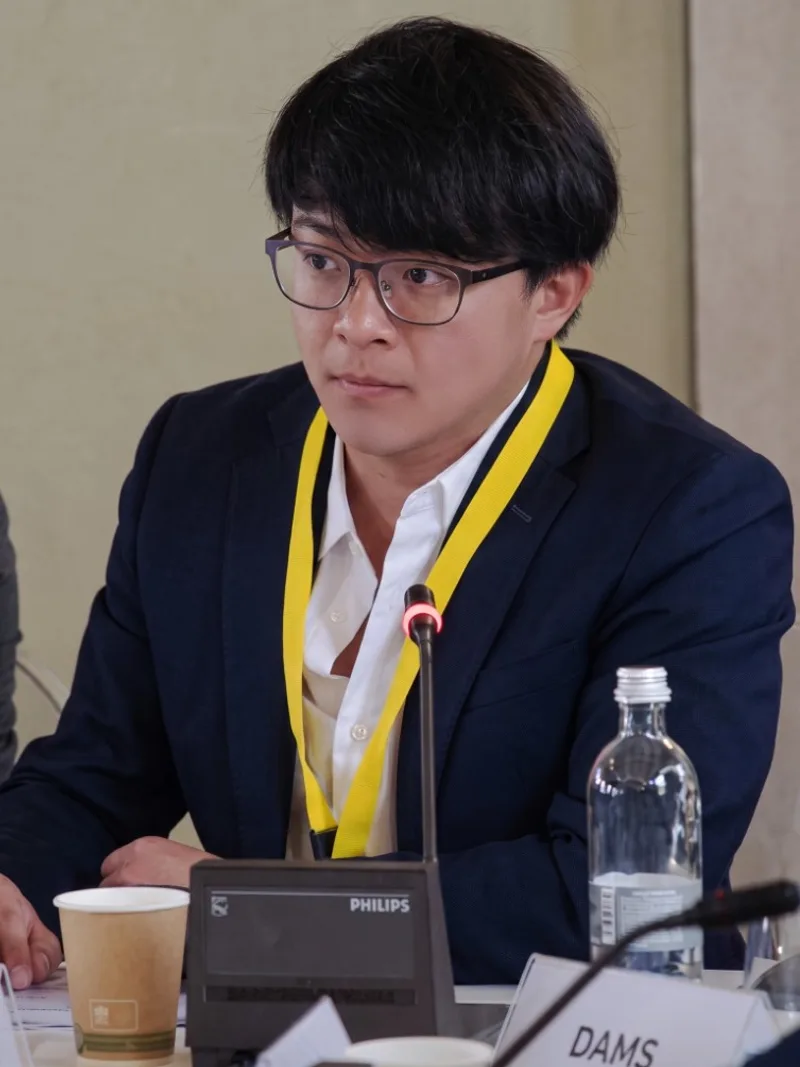
Prophyion was founded by Kenneth Yeo, a terrorism and insurgency researcher with eight years of work on political violence in Southeast Asia, including field research inside conflict zones in Mindanao and Patani. The product exists because the crises he studied never behaved like the exercises meant to prepare people for them.
- 8 yrs
- researching terrorism and insurgency
- 2 theatres
- field research in Mindanao and Patani
- 5 agencies
- international bodies briefed on his research
Name
Kenneth Yeo
Role
Founder
Kenneth Yeo · Founder, Prophyion
What we do
Crisis simulated. Readiness proven.
Prophyion runs live, AI-scored crisis exercises built on your organisation’s own risks, plans and operating procedures. Your people make real decisions under time pressure, every call is timed and graded, and you leave with measured evidence of where the response breaks.
Scenarios built from your real exposure
Our risk consultants turn your crisis plan, risk register and standard operating procedures into a bespoke, fictional scenario that reflects your sector, sites, stakeholders and decision thresholds.
Live simulations that push back
The situation moves on a clock and reacts to what your team does, or fails to do. A simulated feed, inbox and news cycle carries on regardless, and misinformation travels faster than your approval chain.
See ninety minutes of oneEvidence you can hand to a board
Decision latency, coordination, robustness and impact, scored per team and per participant, assembled into an after-action review generated from the exercise rather than reconstructed from memory.
The full engagement is described on the simulations page, and one exercise is walked through act by act in the Corporate Crisis storyboard. This page is about why it exists.
The field record
Eight years studying how crises actually unfold
Not from a desk. Kenneth’s research on terrorism and insurgency in Southeast Asia is grounded in regular field research inside active conflict zones.

In his career as a researcher, Kenneth regularly conducted field research in conflict zones such as Mindanao in the southern Philippines and Patani in southern Thailand, interviewing the people living through protracted insurgencies, mapping how violence, rumour and response interact on the ground.
That work produced peer-reviewed research, policy briefs and a running body of analysis on suicide bombings, militant networks, maritime threats and online radicalisation, and it has been briefed to the international agencies that deal with these threats directly.
Research presented to
“Every crisis I studied was lost in the gap between the plan on paper and the first thirty minutes of contact. That gap is what we simulate.”
The method
Trained to find the blindspot, not to run the software
Alongside his research career, Kenneth is an active volunteer heavily involved in youth leadership development. Years of designing workshops and running focus group discussions built the facilitation craft the exercises depend on: drawing out what an organisation genuinely believes about itself, and testing it.
Workshop design
Exercises structured so that pressure lands where the plan is weakest, not where the agenda says the discussion should go.
Focus group discussion
The craft of getting a room to say the true thing rather than the safe thing, which is where organisational blindspots first surface.
From blindspot to practical step
Facilitation that does not stop at the finding: every uncovered gap is converted into a concrete, prioritised change your team can actually make.
The same skills now shape every Prophyion after-action review
Research & writing
The work the simulations are built on
A selection of Kenneth’s peer-reviewed research, policy briefs and published analysis. Every piece is publicly available; every card links to the original.
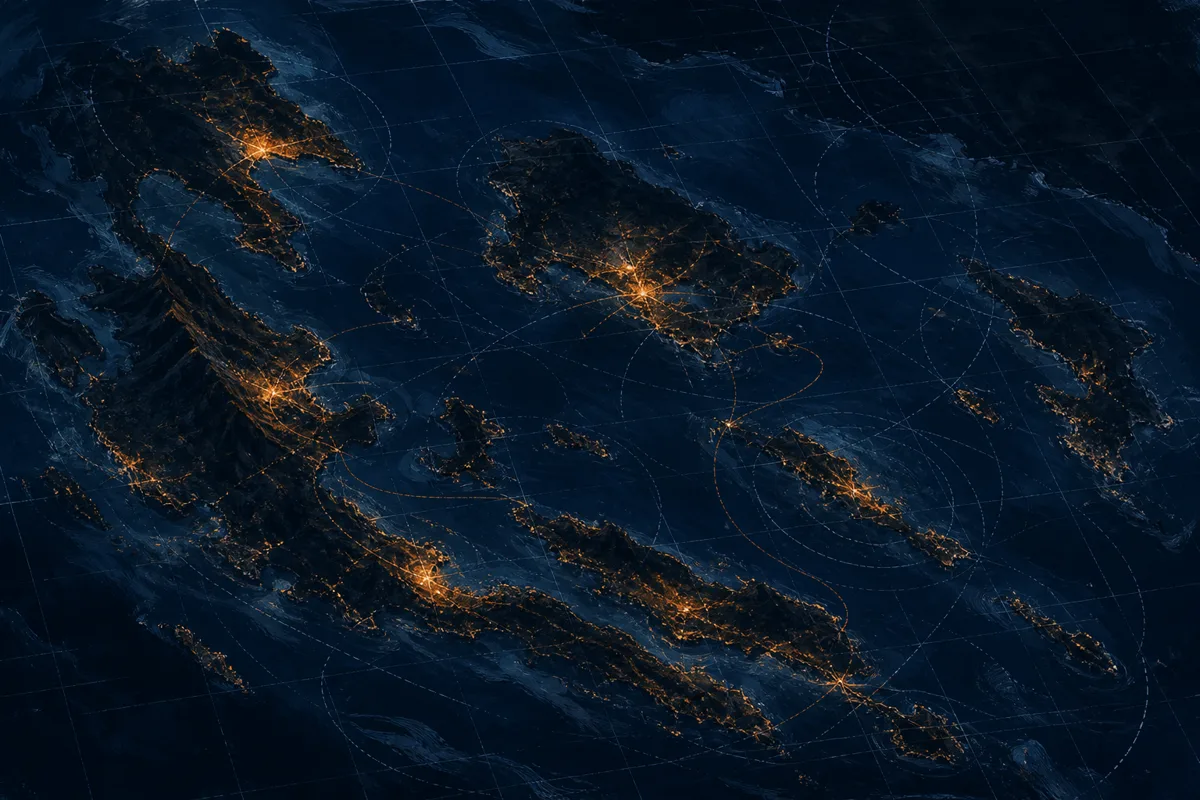
Geography, governance, guns: characterising Islamist terrorist sanctuaries in Maritime Southeast Asia (2014–2021)
Journal research mapping where militant sanctuaries persist across the region’s maritime borderlands, and why terrain, governance and weapons access decide which pockets survive.
Read the paper
Decapitation, retaliation, and the indicators of escalation in Mindanao
What happens to a militant network when its leadership is removed, and the three indicators that warn of renewed violence.
Read at ICCT
Suicide bombings in Mindanao
The three trends behind an unprecedented wave of attacks in the southern Philippines, and the measures that counter them.
Read at ICCT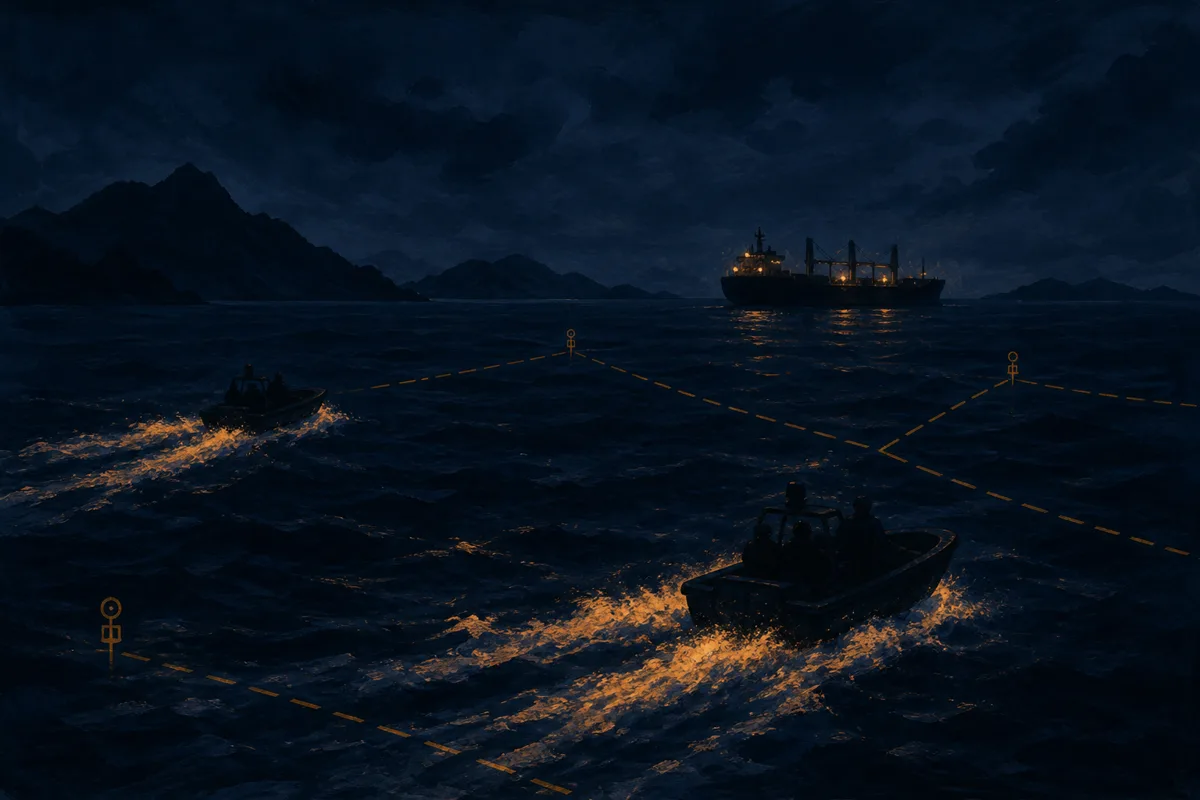
Maritime malice: the asymmetric threat at the tri-border area
Co-authored analysis of the maritime threat where Malaysian, Indonesian and Philippine waters meet: kidnap, piracy and militancy at sea.
Read the brief
From gates to grids: the future of terrorism research
How data collection, analytics and AI are reshaping the study of political violence, and why fieldwork still cannot be replaced.
Read in CTTA
As Southeast Asia reopens, will transnational terrorism return?
Published analysis of what reopened borders mean for militant movement across the region after the pandemic years.
Read at The Diplomat
Youth and adolescent online radicalisation: critical cases from Singapore
Co-authored study of how young people are drawn toward extremism online, and where intervention still works.
Read the insightCard artwork is illustrative, in the house style · every link opens the original publication
Work with us
Put your plan in front of someone who has watched plans break
A scoping call is a conversation, not a commitment. Tell us what keeps you awake and we will come back with a scenario outline and a recommended format.